Carnivorous Plants

Discover the fascinating world of plants that eat bugs!

How to Explore

1
Enter the Bog

Click "Start Exploring" to visit an interactive bog scene filled with carnivorous plants.

2
Click on Plants

Each plant in the bog is clickable. Select one to learn more about it.

3
Discover Fun Facts

Read through each plant's information. Click "Learn More" to reveal additional facts and details.

4
Return to the Bog

Use the back arrow to return to the bog and explore another plant. Visit all four to complete your journey!

Teacher's Guide

Use these resources to extend the carnivorous plants lesson in your classroom.

Books

Title Author Age Range
Carnivorous Plants Dan Torre Adult
The Savage Garden Peter D'Amato Adult
Plantopedia Lauren Camilleri & Sophia Kaplan Adult
How Plants Work Linda Chalker-Scott Adult
What is a Plant? Bobbie Kalman Ages 5–7
Plants that Eat Bugs Monica Russo Ages 4–8
Venus Flytraps, Bladderworts and Other Wild and Amazing Plants Monica Russo Ages 4–8

Videos & Documentaries

Title Description
Attenborough: Eaters that Eat Animals – BBC Documentary about carnivorous plants
Venus Flytraps: Jaws of Death – National Geographic Short documentary on Venus flytraps
Plant-Eating Sundew – National Geographic Short documentary on sundews
Carnivorous Plants – SciShow Kids Kid-friendly video about carnivorous plants
The Plants that Eat Animals – It's OK to be Smart Educational video on plant carnivory

Ways to Play

Learning Standards

Science & Engineering Practices

  • Asking questions and defining problems
  • Obtaining, evaluating, and communicating information

Life Science

  • Structure and function in living things
  • Organisms and their environments
  • Adaptation and survival

Crosscutting Concepts

  • Structure and function
  • Cause and effect
  • Patterns

Writing Prompts

Imagine you are a tiny insect exploring a bog. Describe your encounter with a carnivorous plant.

If you could design a new carnivorous plant, what would it look like? How would it catch its prey?

Write a persuasive essay arguing why carnivorous plants are the most interesting plants in the world.

Compare and contrast two of the carnivorous plants you learned about today. How are they similar and different?

Project Ideas

Build a Model

Create a 3D model of your favorite carnivorous plant using clay, paper, or recycled materials.

Research Poster

Choose a carnivorous plant not covered in the activity and create an informational poster.

Grow Your Own

Follow a guide to grow a Venus flytrap or sundew in the classroom. Keep a journal of observations.

Comic Strip

Draw a comic strip showing how a carnivorous plant catches its prey, from the insect's point of view.

Welcome to the Bog!

Click on a plant to learn more about it. Can you discover all four carnivorous plants?

Plants discovered:

Bladderwort

Utricularia

What is a Bladderwort?

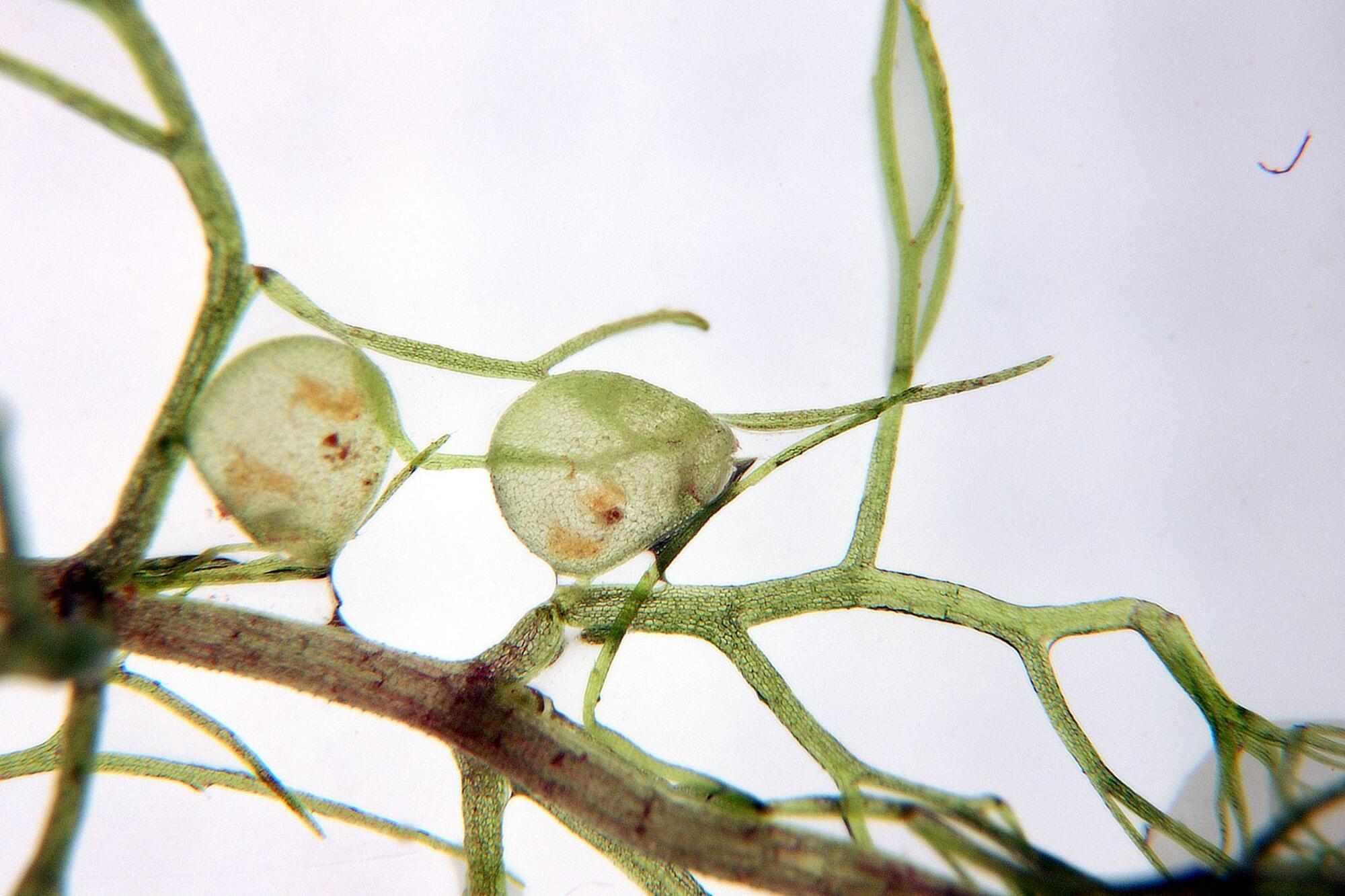
Bladderworts are aquatic or semi-aquatic carnivorous plants found on every continent except Antarctica. They are known for their incredibly tiny, bladder-like traps that are among the most sophisticated structures in the plant kingdom.
How Do They Trap Prey?

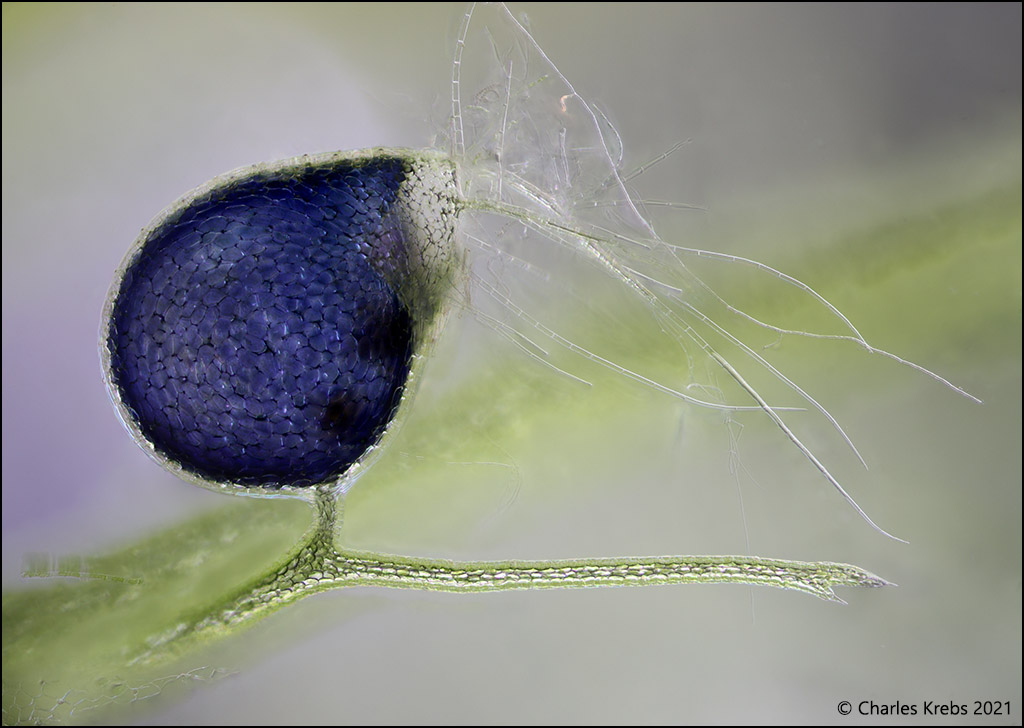
Bladderworts use small, hollow bladders attached to their underwater stems. These bladders have a tiny door (trapdoor) that opens inward. When a small organism like a water flea touches the trigger hairs on the door, the bladder rapidly sucks in water and the prey—in less than a millisecond! This makes it one of the fastest movements in the entire plant kingdom.
Fun Facts

  • There are over 230 species of bladderwort worldwide.
  • The trapping action takes about 1/1000th of a second—faster than the blink of an eye!
  • Despite their carnivorous nature, bladderworts produce beautiful yellow, purple, or white flowers that rise above the water.
  • Some species are terrestrial and live in wet, sandy soil rather than in water.

Where Do They Live?

Bladderworts thrive in nutrient-poor freshwater environments like bogs, ponds, and waterlogged soils. They catch tiny organisms to supplement the nutrients they can't get from their surroundings.

Pitcher Plant

Sarracenia

What is a Pitcher Plant?

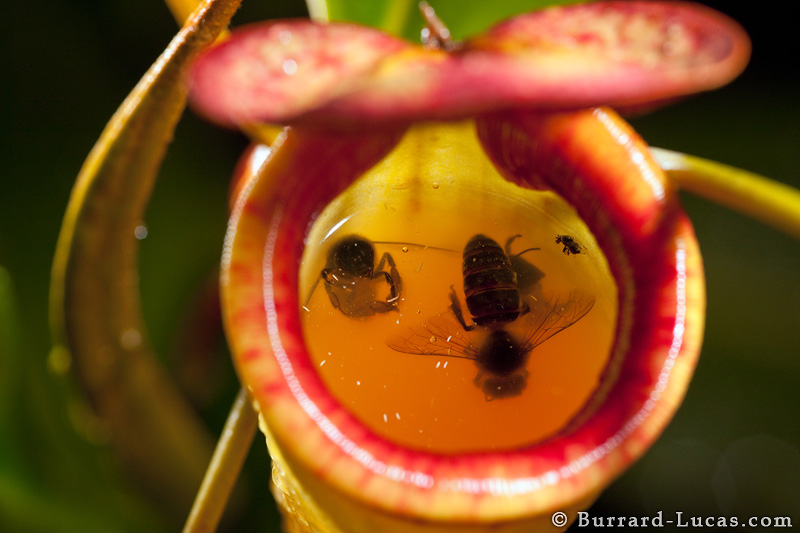
Pitcher plants are carnivorous plants with modified leaves shaped like deep, slippery tubes or "pitchers." These stunning plants lure insects with nectar, bright colors, and sweet scents—only to trap them inside.

How Do They Trap Prey?

Insects are attracted to the nectar around the rim of the pitcher. Once they land, the waxy, slippery surface causes them to slide down into the tube. Downward-pointing hairs inside prevent escape. The trapped insect eventually falls into a pool of digestive enzymes at the bottom, where it is broken down and absorbed by the plant.

Fun Facts

  • Some pitcher plants can grow up to 3 feet tall!
  • The North American pitcher plant (Sarracenia) is native to bogs and wetlands in eastern North America.
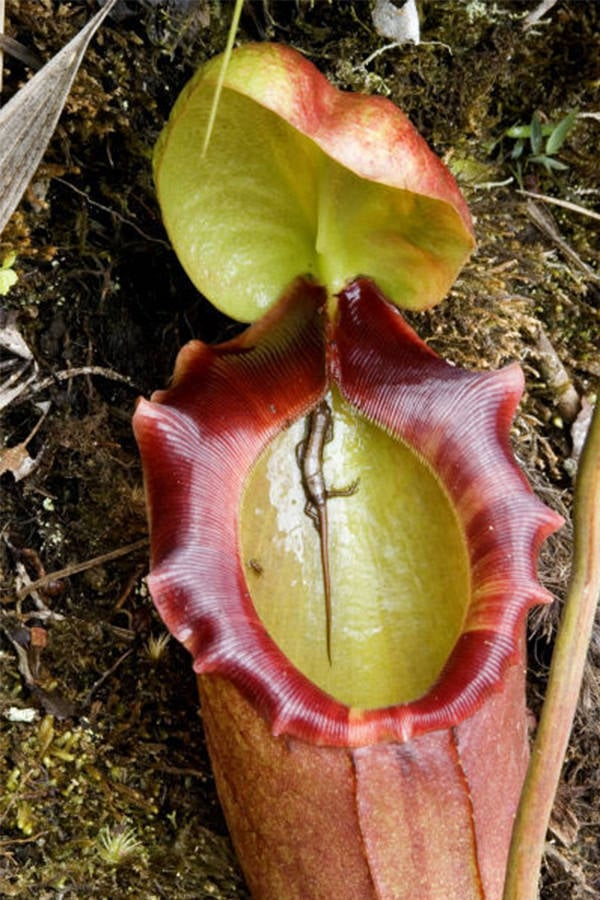
  • Some tropical pitcher plants (Nepenthes) are large enough to catch small frogs and lizards.
  • Certain species of insects, spiders, and even frogs have evolved to live inside pitcher plants without being digested!

Where Do They Live?

North American pitcher plants grow in bogs, swamps, and wet savannas along the eastern coast of the United States and Canada. They thrive in acidic, nutrient-poor soils where other plants struggle to survive.

Sundew

Drosera

What is a Sundew?

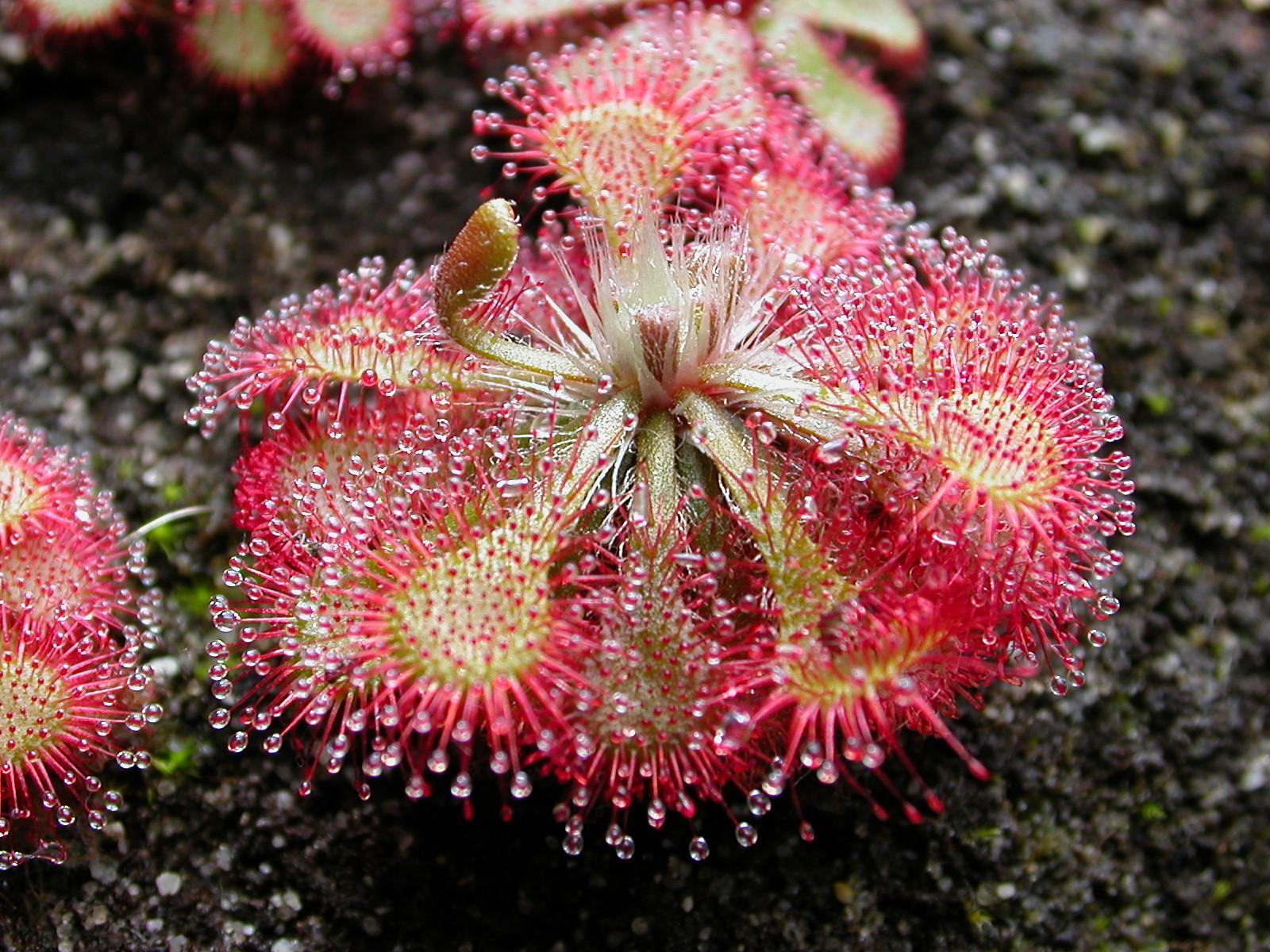
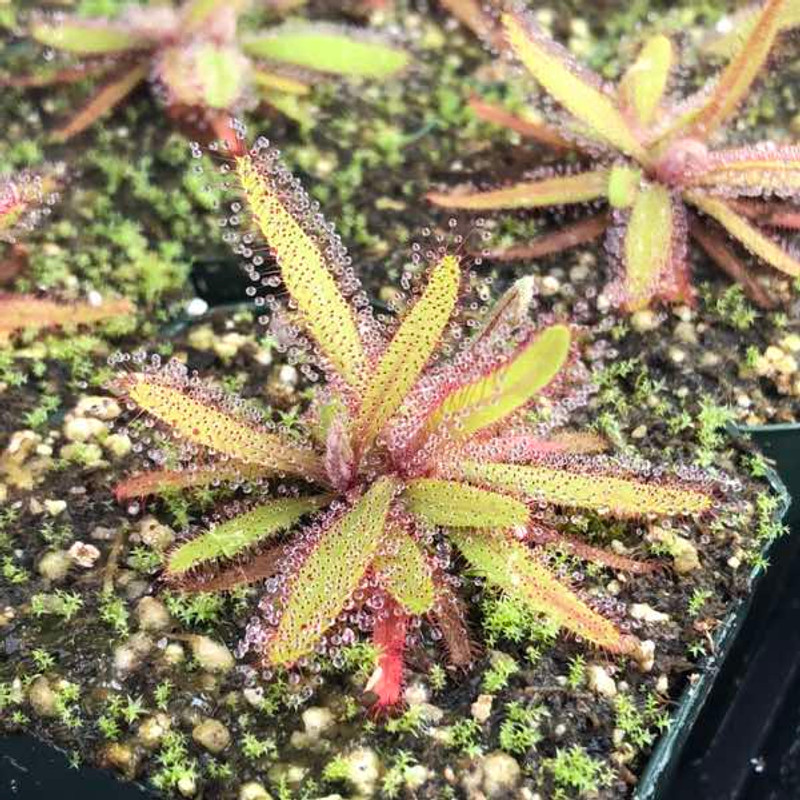
Sundews are carnivorous plants that use glistening, sticky tentacles on their leaves to capture insects. The "dew" drops on their leaves sparkle in the sunlight, attracting curious insects that get stuck in the adhesive.

How Do They Trap Prey?

Each leaf is covered in tiny, hair-like tentacles tipped with a sticky, glistening substance called mucilage. When an insect lands on the leaf and gets stuck, the surrounding tentacles slowly curl inward, wrapping around the prey. The leaf then secretes digestive enzymes to break down the insect over several days.

Fun Facts

  • There are over 190 species of sundew found on every continent except Antarctica.
  • Charles Darwin was fascinated by sundews and called the round-leaved sundew "the most wonderful plant in the world."
  • The sticky mucilage on sundew tentacles is so strong that some species can catch small butterflies and dragonflies.
  • Sundew leaves can curl around prey in as little as a few minutes.

Where Do They Live?

Sundews are found in bogs, marshes, and wet sandy areas around the world. Like other carnivorous plants, they have evolved to catch insects because they grow in nutrient-poor soils.

Venus Flytrap

Dionaea muscipula

What is a Venus Flytrap?

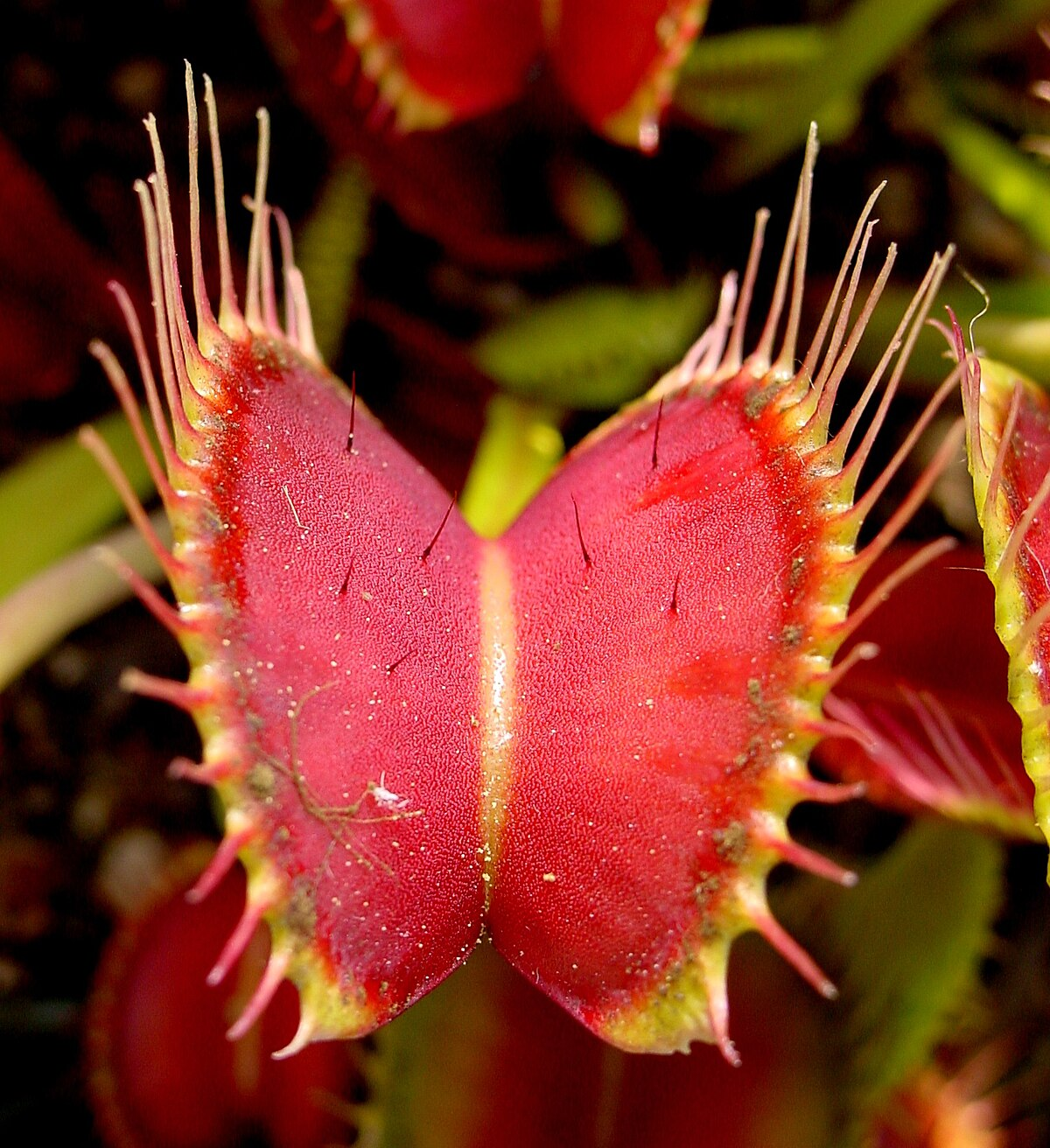
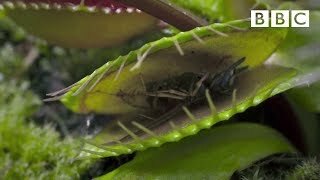
The Venus flytrap is perhaps the most famous carnivorous plant in the world. It has jaw-like leaves that snap shut when triggered, trapping insects and spiders inside. It is native to a very small region of the United States.

How Do They Trap Prey?

Each trap has tiny trigger hairs on its inner surface. When an insect touches these hairs twice within about 20 seconds, the trap snaps shut in less than half a second! The interlocking "teeth" along the edges form a cage, keeping the prey inside while the plant secretes digestive enzymes.

Fun Facts

  • Venus flytraps are only found naturally within a 75-mile radius of Wilmington, North Carolina.
  • Each trap can only open and close about 5–7 times before it dies and a new one grows.
  • The trapping mechanism uses a clever "counting" system—it needs two touches to trigger, so it doesn't waste energy closing on things like raindrops.
  • It takes a Venus flytrap about 5–12 days to fully digest an insect.

Where Do They Live?

Venus flytraps are native to the subtropical wetlands of North and South Carolina. They grow in sandy, acidic bogs that are frequently burned by natural fires, which help keep competing plants at bay.

Ribbit! You Found Me!

Great exploring! Carnivorous plants are some of the most amazing organisms on Earth. They've evolved incredible strategies to thrive in places where other plants can't.

Remember: these plants are often endangered in the wild. Never take carnivorous plants from their natural habitats, and help protect the bogs and wetlands where they live!